Blog
Short, snappy articles full of practical communication tips and insights.

View posts per topic
- 2026 9
- accessibility 5
- apac 1
- artificial intelligence 29
- audience 143
- back to office 2
- behavioural science 4
- benefits 1
- body language 1
- book writing 1
- brand 11
- business 34
- business tips 80
- career 4
- case study 3
- change 61
- change communication 45
- change management 1
- channels 17
- charity 1
- communication tips 181
- confidence 6
- content 71
- corporate comms 127
- crisis 11
- culture 2
- cyber 1
- cyber attack 1
- data 1
- digital 5
- disaster 1
- dyslexia 1
- engagement rates 1
- enterprise agreements 1
- eofy 1
- event management 1
- evolve 1
- evp 2
- external comms 68
- feedback 32
- flexible 1
- funny 1
- future 1
- global 2
- guide 8
- hiring 1
- horizon scan 1
- iabc 1
- improv 1
- internal comms 159
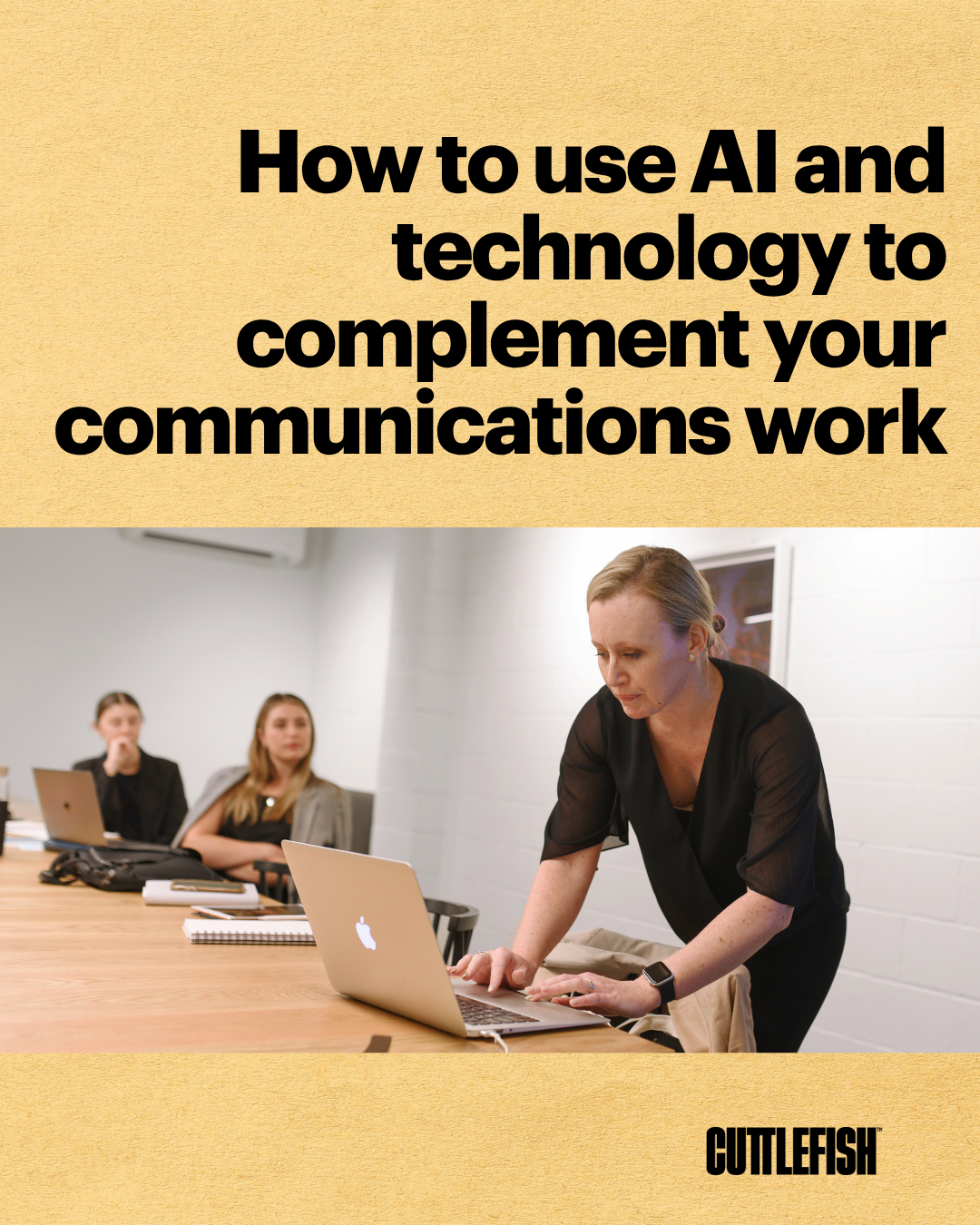
How to use AI and technology to complement your communications work
Every week seems to bring another story about a new AI tool, another company automating work or another prediction about the future of work. It's easy to see why so many people are wondering where they fit into an AI-enabled workplace. Instead of asking whether AI will replace communicators, we should be asking how it can help us remove repetitive work, improve the way we communicate and free up more time for the strategic thinking, creativity and relationship-building that only humans can provide. So, where should communicators start?
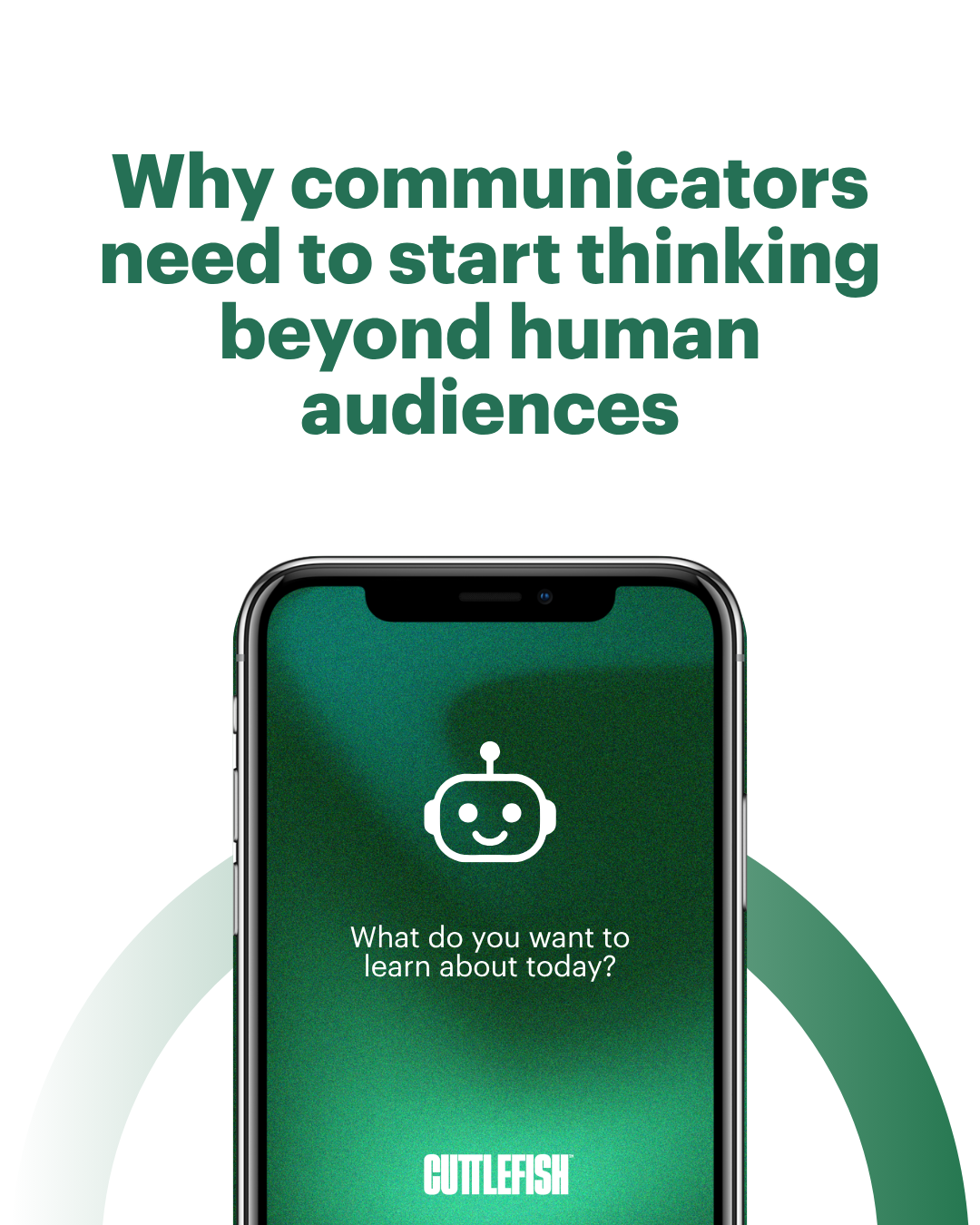
Why communicators need to start thinking beyond human audiences
Remember when SEO felt like the answer to everything? The idea was simple: if people could find you, they could understand you… but that assumption is changing. People are no longer searching in the traditional way, they’re turning to tools like ChatGPT, Gemini and Claude to summarise, compare and recommend information for them. So, how do we think for an AI audience?
Why people resist change and how to navigate it with communication
A compelling case for change usually starts by giving people context. We have to give them the why; and to do that, we need to understand why people resist change and how to navigate it with communication.
The communications skills that matter most right now
For years, many communication functions have been measured by output: campaigns delivered, content produced, channels managed, messages written. Unfortunately for us, AI is accelerating a shift whereby organisations are increasingly questioning whether value comes from producing communication, or from shaping outcomes. So, what comms skills matter most right now?

The biggest risk for a career in communications
If you're working in communications right now (or you want to), you've probably found yourself wondering what the future holds for the profession. So it’s not really surprising when you see this question keep popping up in conversations across the industry: will AI take our jobs? The real risk isn't AI itself, but standing still while everything around us changes because of it. What’s the biggest risk for a career in communications?
How to speak more confidently in front of the media, public and during presentations
You can be the smartest person in the room and still completely lose your message the moment a microphone appears. So… what actually separates confident communicators from nervous ones, and how can we use these traits or skills to become more confident in speaking to the media, public or even just during a presentation? We’ve got some tips.
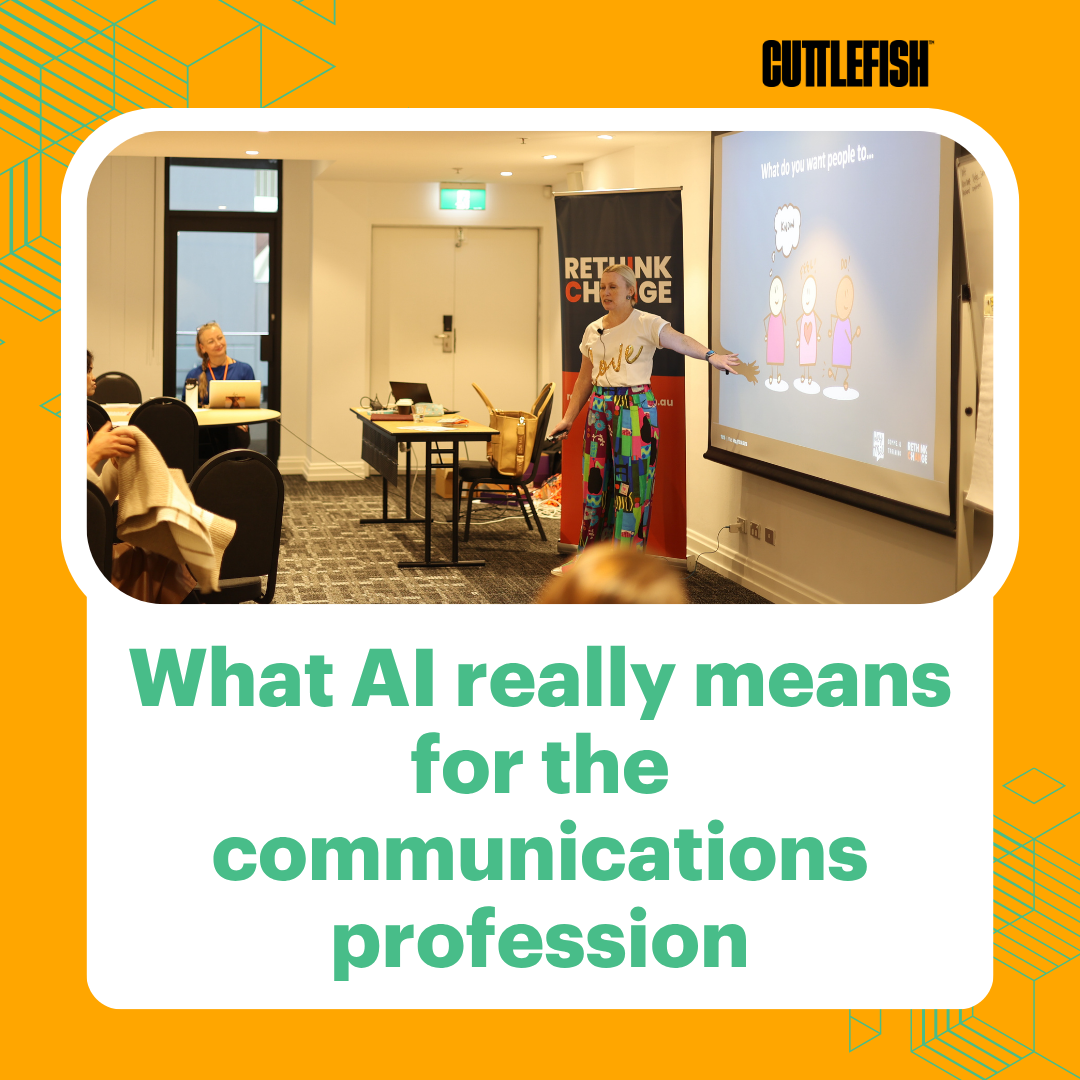
What AI really means for the communications profession
For years, communication roles have often been heavily associated with outputs like writing newsletters, drafting CEO emails, producing social media content, preparing presentations or managing internal updates. While those tasks still matter, AI is rapidly changing how they are produced and how quickly, too. So: what does AI really mean for communications professionals?
How to build a strong business reputation in the age of AI
When leaders hear the word “reputation,” many think about media coverage, public relations, and crisis response. While these are certainly part of the equation, they represent only a small piece of the bigger picture. Reputation is formed through every interaction people have with your organisation. So, how do you build a strong business reputation in the age of AI?
When communication isn’t the answer (and why that matters)
Often, when something isn’t working in a business, or people are frustrated, engagement is slipping, or there’s a bit of noise building in the background, the first answer people run to is: let’s communicate more. But honestly, not every problem is a communication problem, and even moreso, not every problem can be solved with more communication. So, when is communication not the answer and why does that matter?
How to make change feel safe using communications
Clear communication isn’t enough to drive change. People don’t adopt change simply because it makes sense, they adopt it because it feels safe and acceptable to them. So how do we make the change safe, and how do we find the acceptable outcome for our people?
Why comms needs a rethink in a permanently uncertain world
The quiet assumption of “once things calm down…” shows up in conversations more often than we probably realise. The assumption that once things have stopped, we’ll reset and we’ll find our rhythm again because things will be more manageable. So then what happens if that moment doesn’t come? If the past few years have shown us anything, it’s that uncertainty isn’t a passing phase. So, this is why comms needs to change in a permanently uncertain world.
Why most advocacy campaigns fail (and what communicators can learn)
Most advocacy campaigns don’t fail because the cause isn’t worthy, but because the communication isn’t doing its job. As in: the message never quite bridges the gap between awareness and action. So, what can communicators learn from advocacy campaigns?
Making sure your comms are effective in an age of AI
As AI tools become more embedded in our work, it’s tempting to focus on speed, scale and efficiency because we can generate messages faster, repurpose content instantly and push updates across multiple channels in seconds. Yet, despite all that output, many organisations still hear the same refrain in engagement surveys that communication isn’t effective. So we asked the important question: how do we make sure our comms are effective in the age of AI?
How change fails in the workplace and how to rethink it for success
In today’s world of work, strategies refresh faster than ever because things like technology reshape roles overnight, AI rewrites how work gets done and hybrid environments continue to challenge connection and culture. The pace is relentless, and even change itself seems to be changing, leading to a lot of changes failing in the workplace. So… we tell you how change fails in the workplace and how to rethink it for success.
Top tips to combat technology change overwhelm using communications
This final blog in our five-part series on people change looks at technology-driven change from a different angle: not what is changing, but what it feels like to live through it and what communicators can do to make it survivable, and even successful. Think: top tips to work through technology change overwhelm using change communications.